Hosted invoice tools for an AI assistant
PocketInvoice MCP connects a compatible assistant to real invoicing work through a hosted Model Context Protocol service. It uses Streamable HTTP and a company-scoped OAuth connection. Codex has been tested with the service. Users authorize a company and the available tools follow that account's permissions. The MCP connection does not make the service an unrestricted agent or give it access to every company.
Practical document workflows
Use the authorized business tools to work with invoices and estimates, export document PDFs, maintain clients and items, and inspect permitted business records. A freelancer can prepare an estimate for an agreed job, check the document details, and later prepare an invoice. Small teams can use existing company information and templates rather than re-entering the same details for each document. Users should review names, line items, tax, dates and totals before sharing a document.
Sending and payment boundaries
Email sending is disabled by default. Enabling the relevant workflow still requires confirmation for each document sent. The payment tools record payment information; they do not charge customers, transfer money or issue refunds. An invoice record is therefore separate from moving money through a payment processor.
Free SaaS alongside MCP
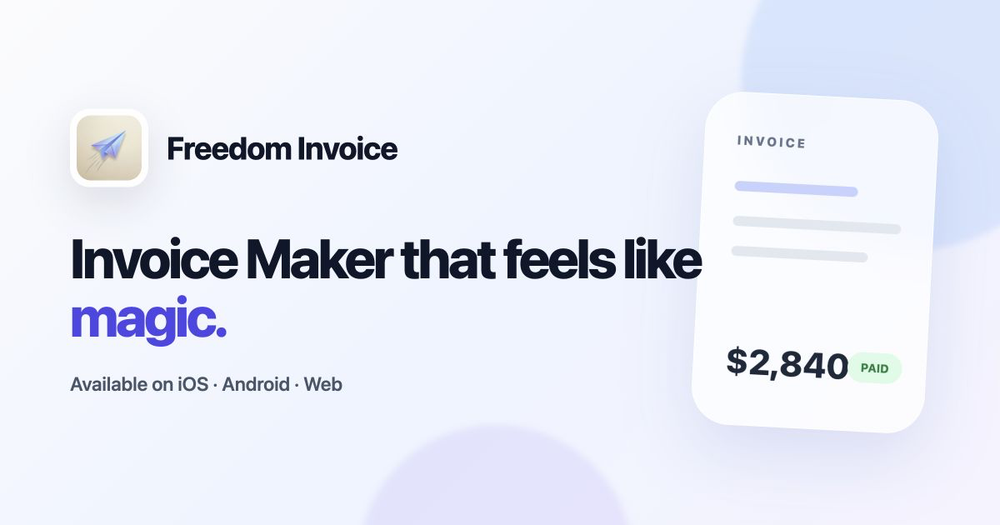
PocketInvoice is also available as a free web, iOS and Android invoicing app for manual work. Its document tools cover invoices, estimates, receipts and purchase orders, client and item records, and PDF export. The guest browser invoice generator can produce a PDF without an account. Company accounts have document and storage limits. The hosted MCP service is free, while a separately chosen AI provider may charge for the assistant. Read the current public connection guide before authorizing the company used for your workflow.